
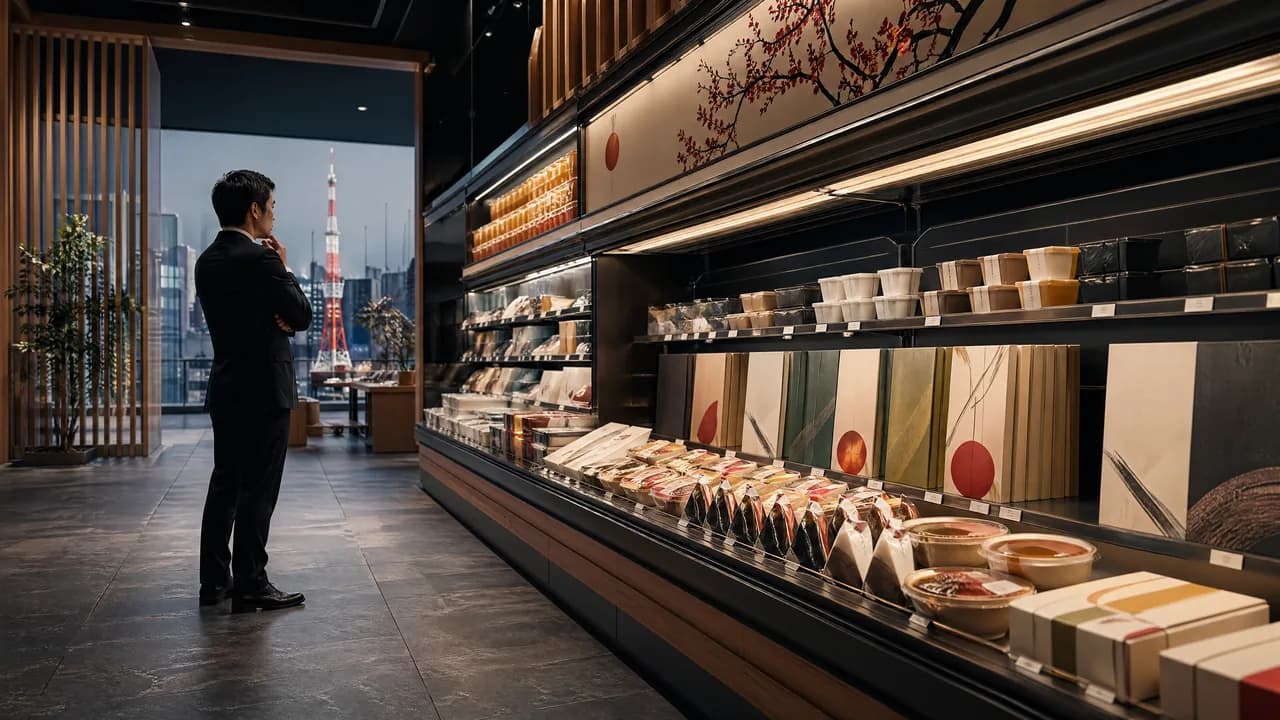
Market Entry
Three Questions Food Brands Should Answer Before Entering Japan
Japan rewards quality, discipline, and trust. Before expanding, brands need clarity on channel fit, compliance timing, and the operating standard local partners expect.

© 2026 TenJoy Global

TenJoy Insights
A practical editorial library for teams shaping overseas growth across food, agriculture and consumer goods.
Editorial Index
35
35 insight articles
Browse by topic
Move quickly into grouped thinking around market entry, category selection and digital operating systems.
Browse by Topic
Move quickly into grouped thinking around market entry, category selection and digital operating systems.
Page 1

Market Entry
Japan rewards quality, discipline, and trust. Before expanding, brands need clarity on channel fit, compliance timing, and the operating standard local partners expect.


Digital Operations
As markets, channels, and inventory spread across borders, teams need one shared operating picture. Without it, decisions slow down and growth becomes harder to repeat.

品类策略
Ingredient transparency can attract attention, but clean label only converts when formulation, packaging, claims, and channel messaging all tell the same story.

Featured Analysis
Japan rewards quality, discipline, and trust. Before expanding, brands need clarity on channel fit, compliance timing, and the operating standard local partners expect.
TenJoy Research Desk
Japan Market Entry Research
Ingredient transparency can attract attention, but clean label only converts when formulation, packaging, claims, and channel messaging all tell the same story.
As markets, channels, and inventory spread across borders, teams need one shared operating picture. Without it, decisions slow down and growth becomes harder to repeat.

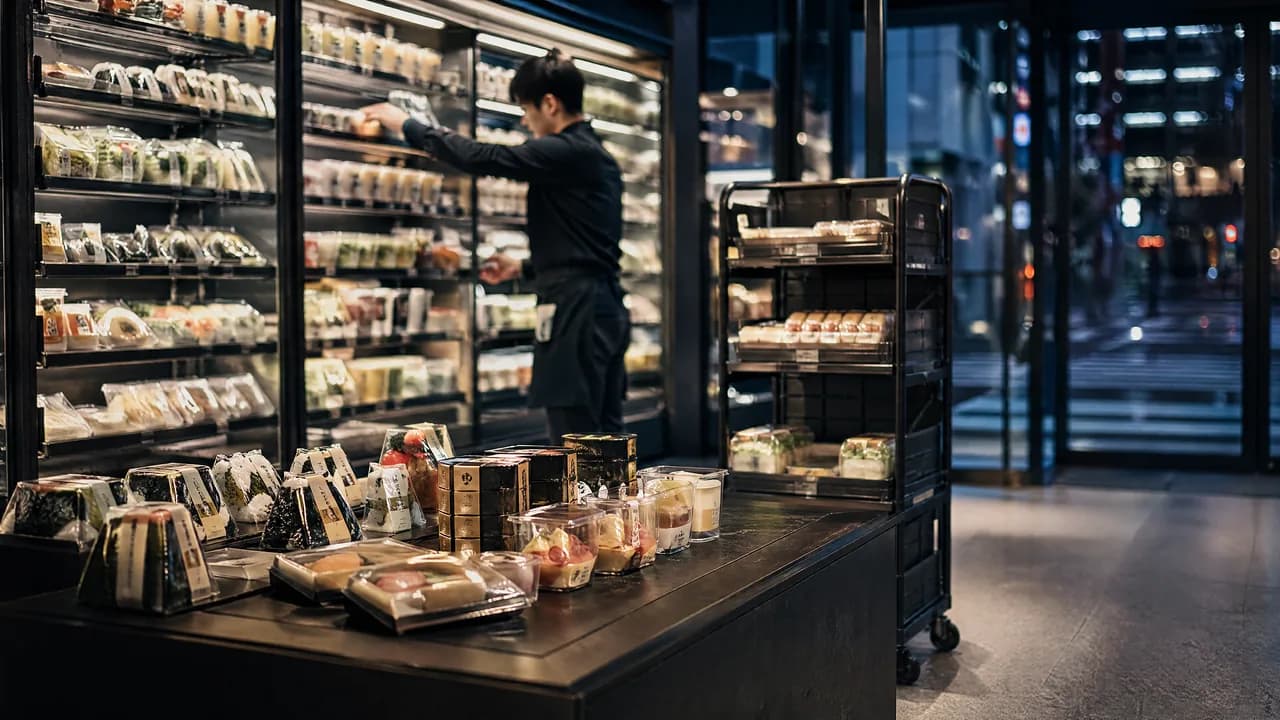
In Japan's convenience channel, success is not about getting listed once. It is about shelf productivity, compact pack design, and how quickly you can refill demand.

For brands entering South Korea, the harder question is often not which channels are available, but which one should come first. Rather than chasing a universal answer, a more practical approach is to build a prioritization framework: start with category fit, then assess fulfillment complexity, and finally refine priorities through small-scale pilot sales.

When supply is the limiting factor, export category priority should not be set by demand alone. This article outlines a practical framework for choosing categories based on supply stability, fulfillment complexity, SKU risk, and market-entry readiness.

Korea moves fast, but convenience retail and marketplace commerce reward very different operating habits, launch timing, and brand communication styles.

Platform traffic is rising across Southeast Asia, but first purchase and long-term trust are still often built through visible local touchpoints, not digital reach alone.

Australian shoppers will pay for quality and health-led positioning, but channels give lasting shelf space to brands that can prove stable supply, not one-off excitement.