Market Entry
Three Questions Food Brands Should Answer Before Entering Japan
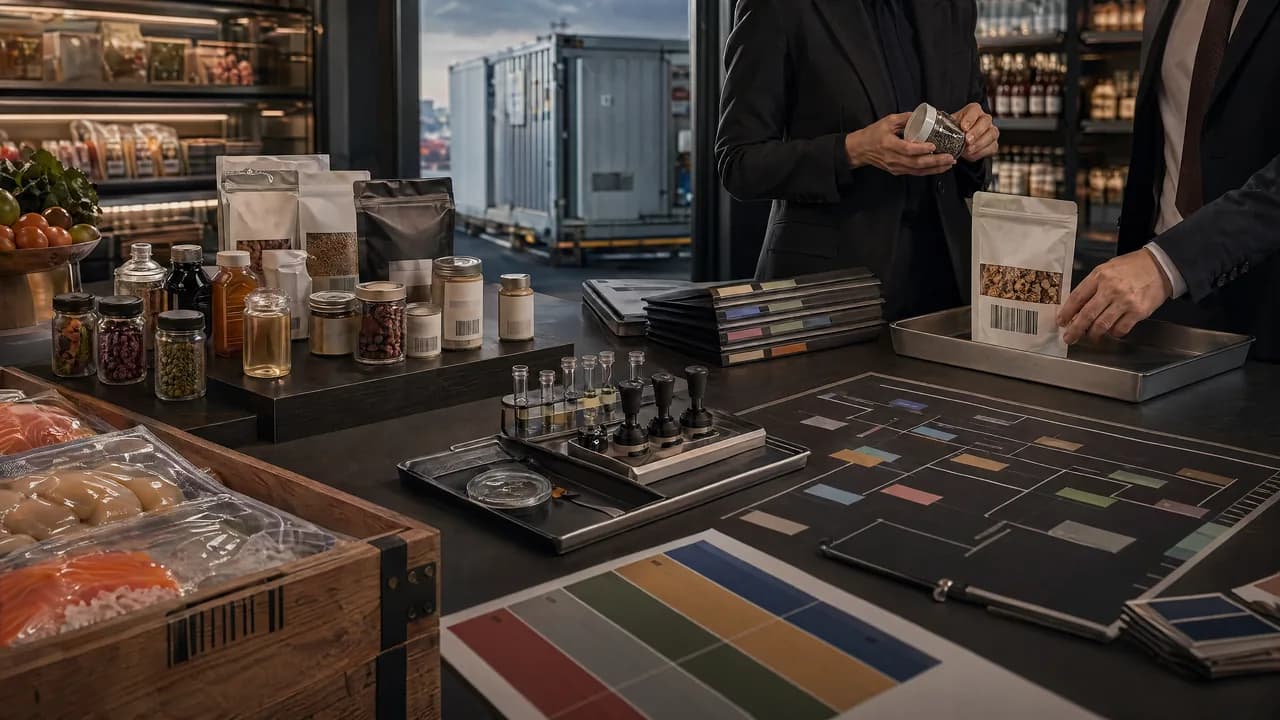
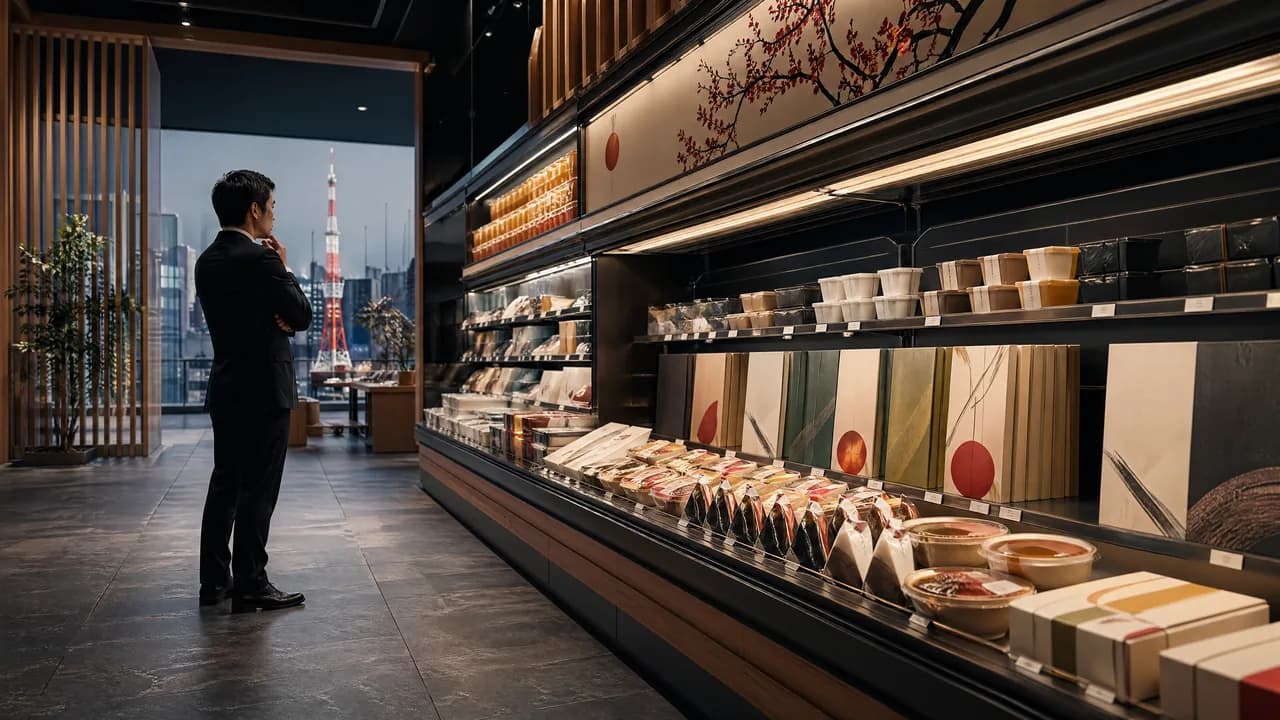
Japan rewards quality, discipline, and trust. Before expanding, brands need clarity on channel fit, compliance timing, and the operating standard local partners expect.

© 2026 TenJoy Global

TenJoy Insights
A practical editorial library for teams shaping overseas growth across food, agriculture and consumer goods.
Editorial Index
35
35 insight articles
Browse by topic
Move quickly into grouped thinking around market entry, category selection and digital operating systems.
Browse by Topic
Move quickly into grouped thinking around market entry, category selection and digital operating systems.
Page 2

Market Entry
Japan rewards quality, discipline, and trust. Before expanding, brands need clarity on channel fit, compliance timing, and the operating standard local partners expect.


Digital Operations
As markets, channels, and inventory spread across borders, teams need one shared operating picture. Without it, decisions slow down and growth becomes harder to repeat.

品类策略
Ingredient transparency can attract attention, but clean label only converts when formulation, packaging, claims, and channel messaging all tell the same story.

In Europe, packaging is no longer a late-stage design task. It now affects compliance readiness, cost structure, retail acceptance, and launch timing from the start.

Many export projects do not fail because the product cannot be made. They fail because local language, information order, and packaging expression are left too late.

Japan rewards quality, discipline, and trust. Before expanding, brands need clarity on channel fit, compliance timing, and the operating standard local partners expect.

Traffic can amplify demand, but when certification, entry conditions, and ownership are unresolved, early growth usually turns into expensive rework.

A first SKU does not need to prove the full range of R&D. It needs to lower understanding cost and make first purchase easier in a new market.

Ingredient transparency can attract attention, but clean label only converts when formulation, packaging, claims, and channel messaging all tell the same story.

A large market can still be the wrong first move. Category priority depends on channel fit, operating control, and whether the team can support the market after launch.

As retailer-owned labels improve in quality and positioning, imported brands can no longer rely on novelty alone to earn shelf space or pricing power.

Health can create interest, but repeat purchase depends on whether the product still feels affordable enough to become part of daily habit.